What Is British Culture? A Response To A Question I’ve Been Asked A Lot Recently
“What is British culture?”
It’s a question I’ve been asked many times recently, particularly since writing about intercultural relationships and the expectations that can come with them.
Sometimes the question is genuine curiosity.
Other times it’s asked in response to discussions about my husband and whether he should learn about British culture.
One argument I’ve seen several times is that because Britain colonised many countries, including Nigeria, people from those countries already know British culture. After all, English is widely spoken, many legal systems were influenced by Britain, and aspects of education and government have roots in colonial history.
Whilst I understand the point being made, I think it highlights something important:
There is a difference between institutions and culture.
I think people often confuse the two because institutions are the most visible legacy of history.
Language, education systems, legal frameworks and forms of government can all be inherited or influenced by another country.
They’re easy to see.
Culture is much harder to see.
It’s not usually written down in a textbook or taught in a classroom.
It’s learned through growing up somewhere, participating in daily life and sharing experiences with the people around you.
That’s why someone can speak English fluently, study in a British-influenced education system and still not have experienced British culture in the same way someone raised in Britain has.
Language, law, government and education systems are institutions.
Culture is something much deeper.
Culture is the way people interact.
It’s the values they hold.
It’s the traditions they pass down.
It’s the humour they understand.
It’s the unwritten social rules they grow up with.
For example, my husband speaks English fluently. But speaking English doesn’t make somebody culturally British any more than me eating jollof rice makes me culturally Nigerian.
Culture is found in everyday life.
It’s in the way British people queue patiently without being told.
It’s in saying “sorry” when somebody bumps into you.
It’s in our dry humour and sarcasm.
It’s in Christmas traditions, Bonfire Night, village fetes, pub culture, football rivalries and Sunday roasts.
It’s in our love of discussing the weather.
It’s in our tendency to value privacy and personal space.
It’s in the often unspoken expectation of politeness, even when we’re frustrated.
It’s in regional identities that can vary dramatically within a relatively small country.
Someone from Liverpool, Glasgow, Cardiff and Cornwall may all be British, yet each carries their own distinct regional culture too.
One of the things I’ve found fascinating is watching my husband gradually experience these things for himself.
Dammy had heard English all his life, but he hadn’t grown up with British culture.
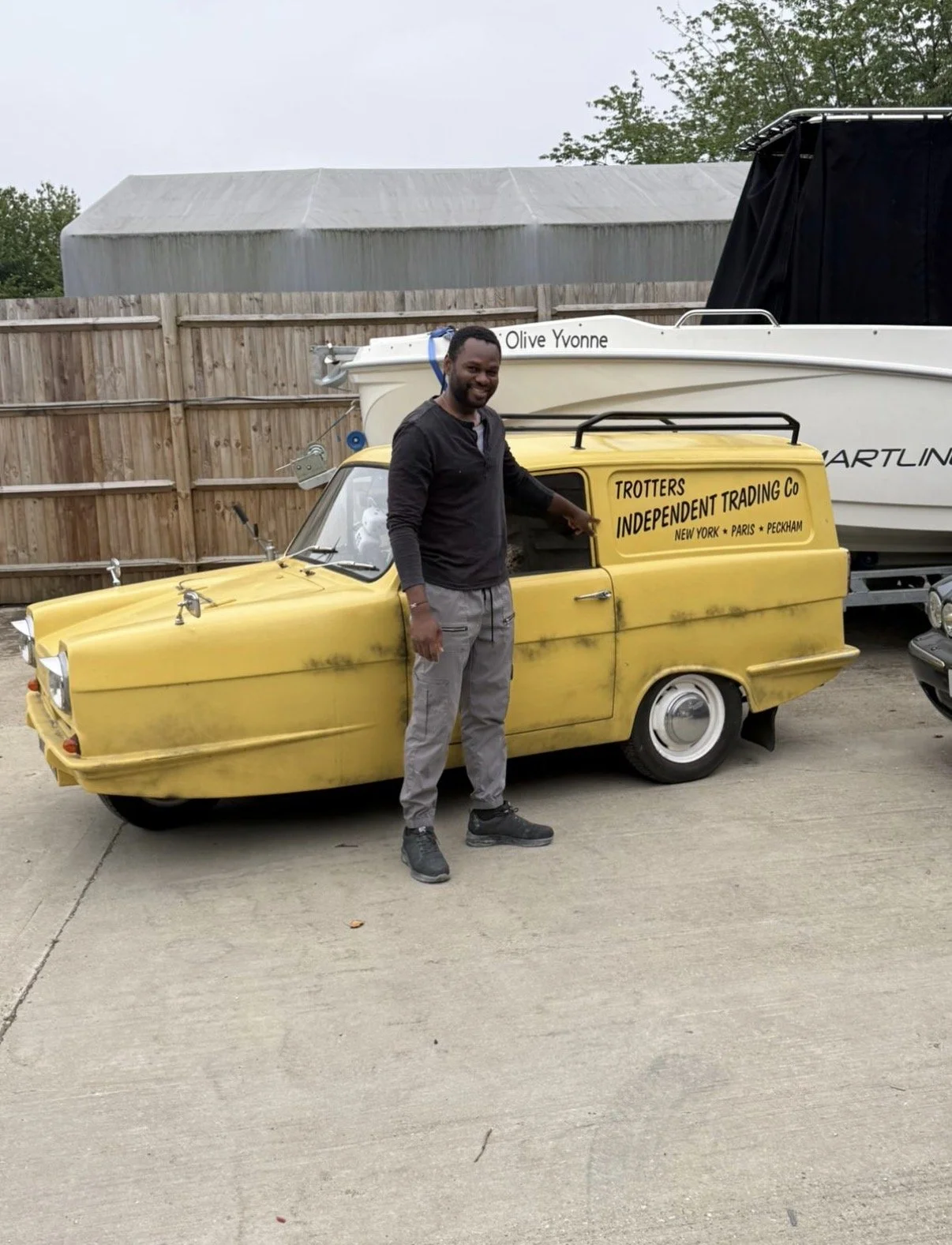
British culture was him watching Only Fools and Horses for the first time and understanding why so many people still quote Del Boy decades later.
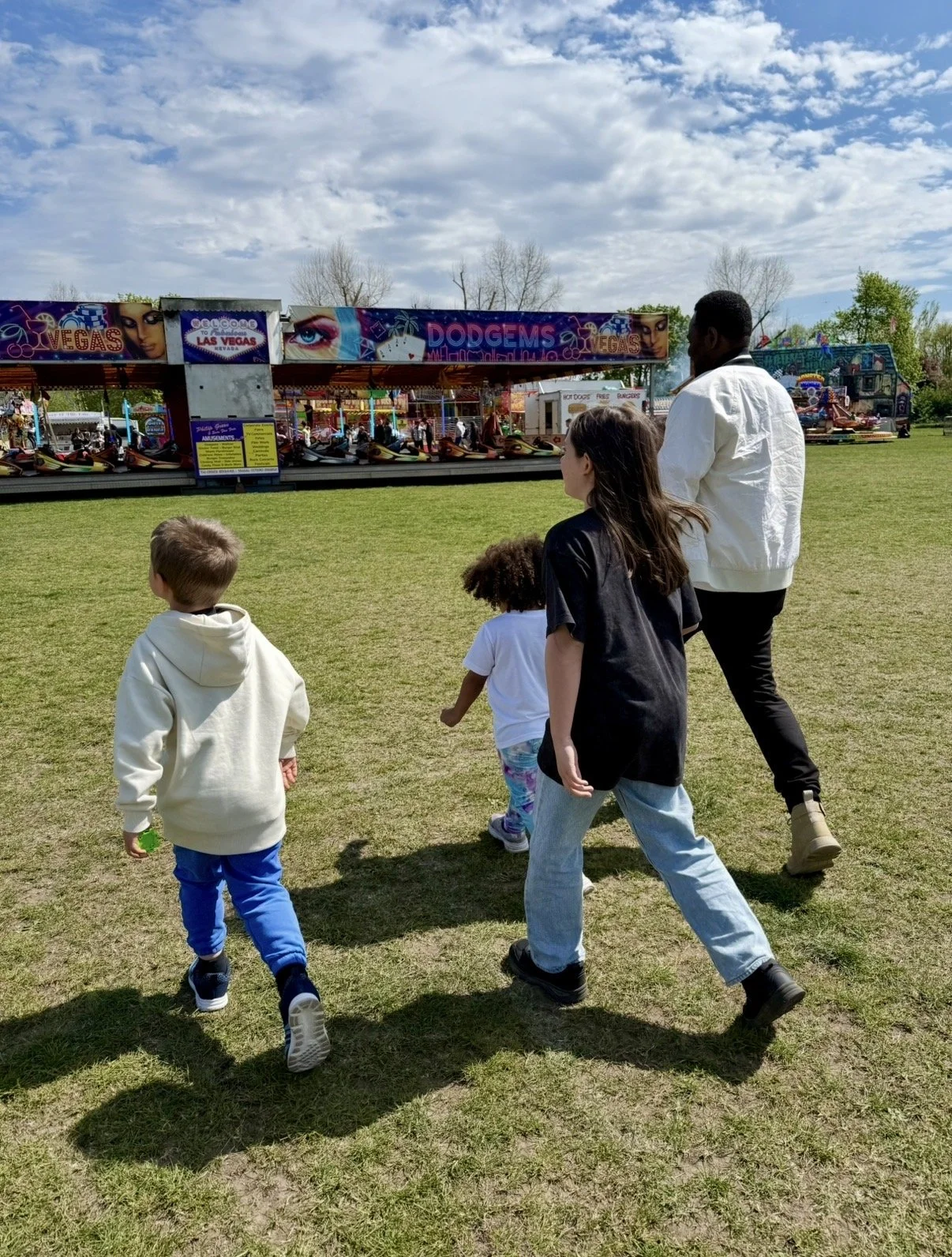
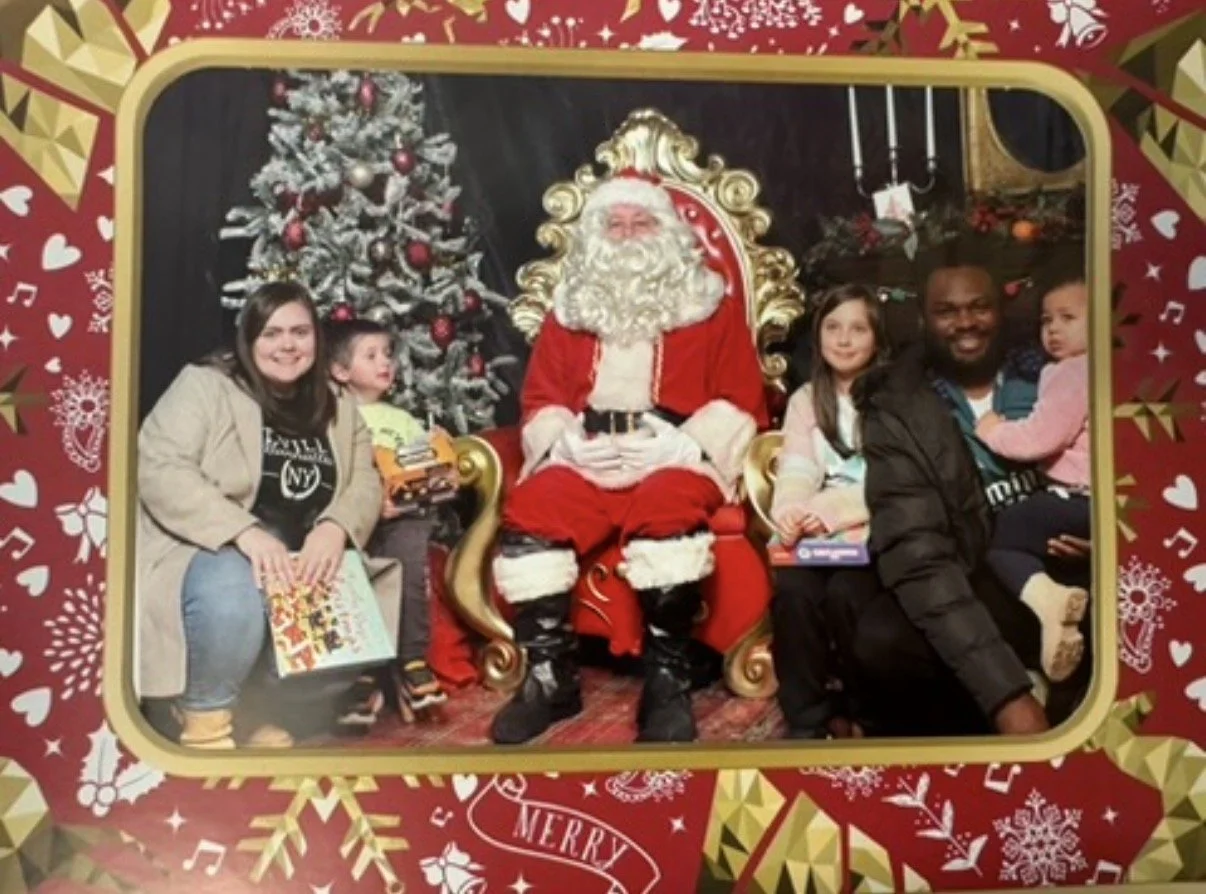
It’s him walking around village fetes, school fairs and Christmas events and seeing how important local community can be.
It’s him asking every morning, “What’s the weather like today?” and slowly realising that British people genuinely do talk about the weather every single day.
It’s him understanding our humour, our sarcasm and our tendency to laugh at ourselves.
Those things aren’t taught through language or institutions.
They’re learned through living alongside people and experiencing daily life.
British culture is also found in the memories many of us share growing up.
It’s in school sports days, where parents stood at the side of a field cheering whilst children ran races carrying eggs and spoons.
It’s in nativity plays where every parent thought their child was the star of the show, regardless of whether they were Mary, Joseph or Sheep Number Three.
It’s in Christmas pantomimes where audiences shout, “He’s behind you!”
It’s in Bonfire Night, standing outside wrapped in coats and scarves watching fireworks whilst holding a sparkler.
It’s in Sunday roasts with family gathered around the table.
It’s in village fetes, school fairs and local community events.
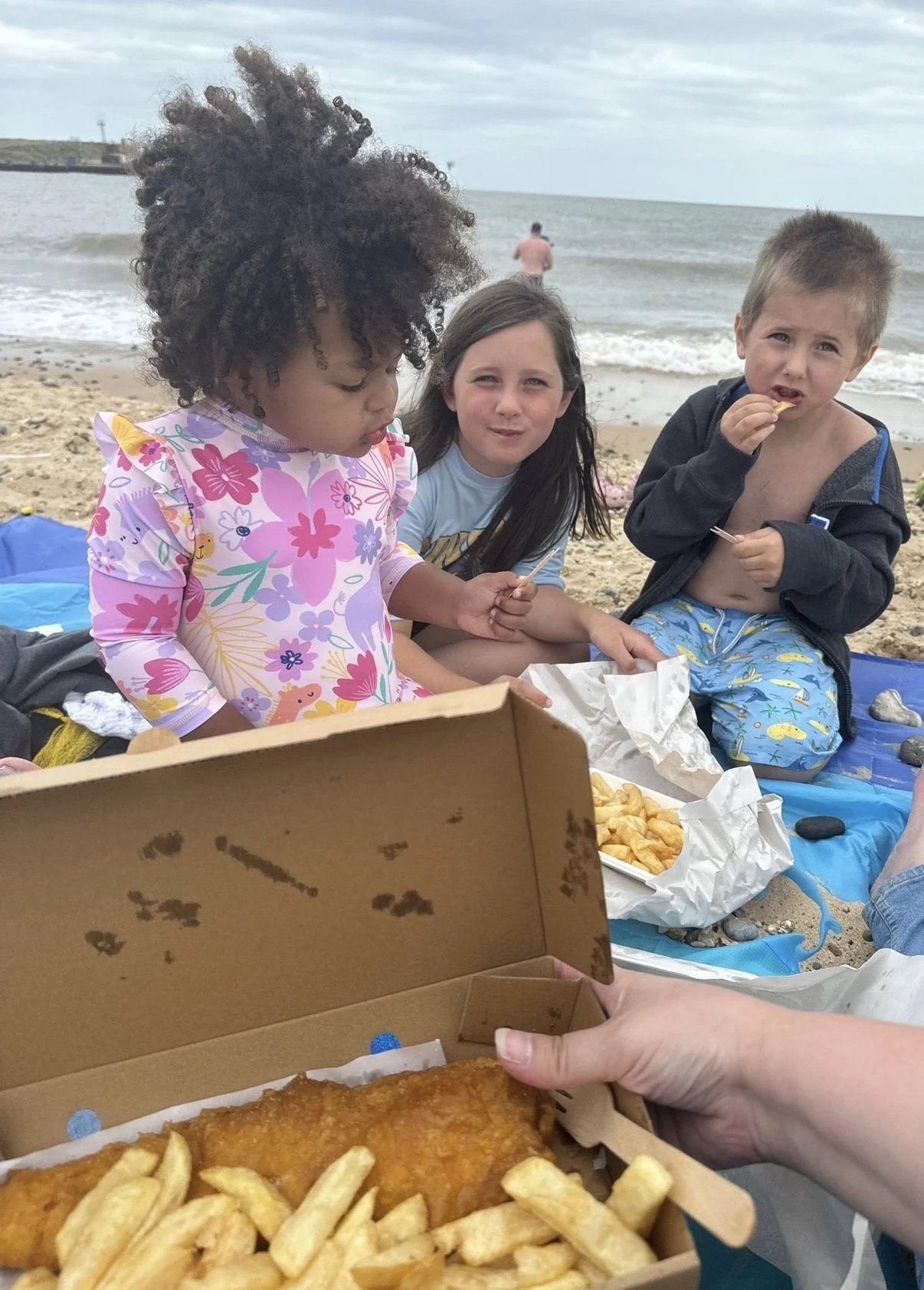
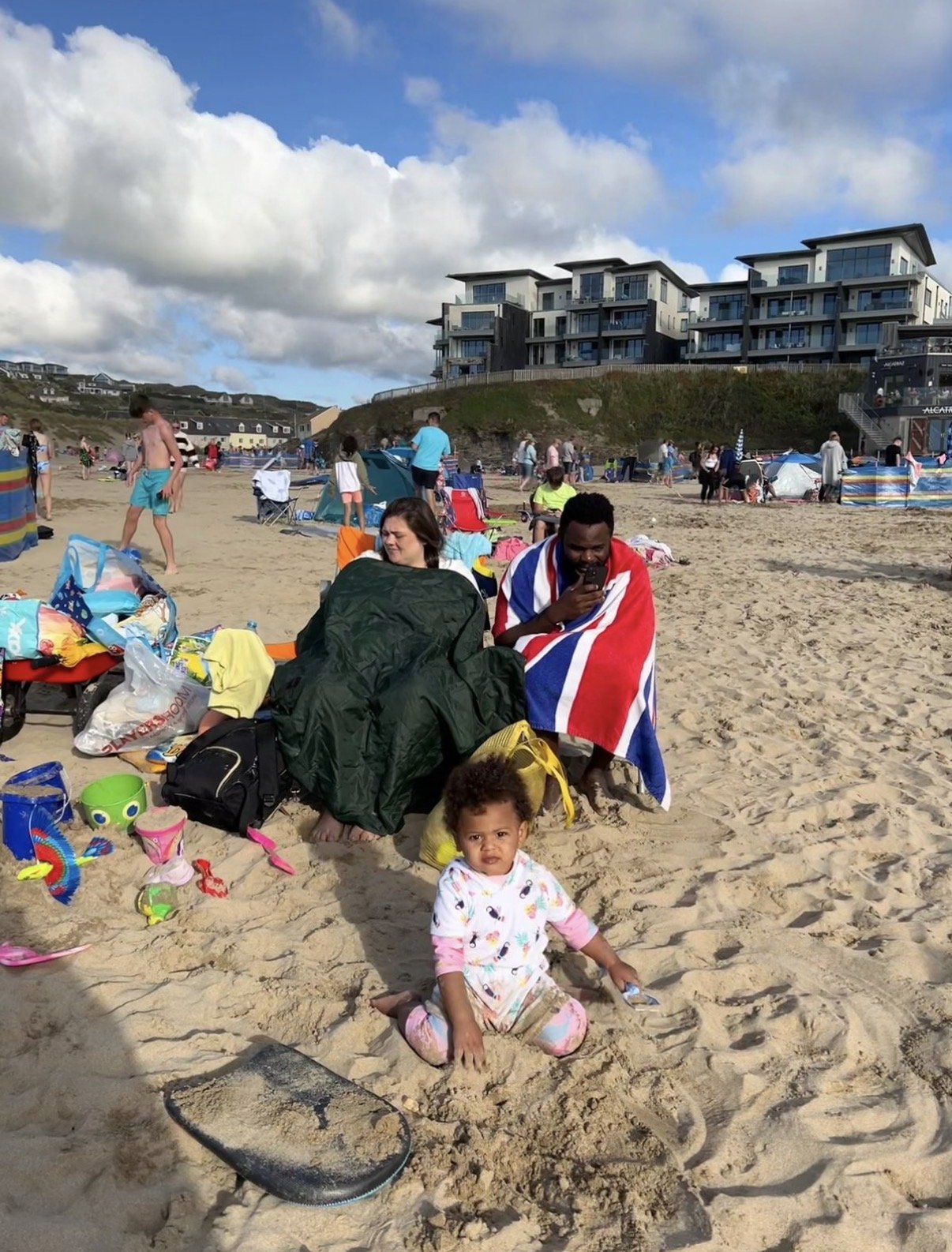
It’s in family trips to the British seaside. Walking along a pier. Eating fish and chips by the sea. Buying sticks of rock to take home.
Spending far too much money feeding coins into penny machines at arcades and somehow coming away delighted with a plastic keyring worth less than the money you put in.
It’s in caravan holidays on the British coast. Packing the car to the absolute limit and driving for hours to spend a week by the sea.
Swimming pools, amusement arcades, evening entertainment, bingo, kids’ clubs and fish and chips on the promenade.
Looking forward to it all year, even if the weather spends most of the week reminding you that you’re still in Britain.
It’s in National Trust days out, garden centres that somehow become a family outing, and long walks in the countryside.
It’s in complaining that it’s too hot in summer and too cold in winter.
It’s in discussing the weather with complete strangers.
It’s in queuing patiently without anyone needing to tell us where the line starts.
Nobody taught me these things in school.
Yet they are all part of my culture.
They are the shared experiences, traditions and memories that quietly shape how many of us see the world.
The interesting thing about culture is that we often struggle to see our own.
When you’ve grown up surrounded by something, it feels normal.
Invisible, even.
I don’t wake up each morning thinking, “Today I will participate in British culture.”
Yet every day I do.
The same is true for my husband.
He doesn’t wake up consciously participating in Nigerian culture, but it influences his humour, his values, the way he addresses elders, his relationship with family and countless other aspects of daily life.
In the same way, I have spent years learning about Nigerian culture.
Not just the food, but the values behind it.
I have learned the importance of greeting elders properly, addressing people as Auntie, Uncle, Ma and Sir, the role of extended family, and the strong sense of community that exists in many Nigerian households.
I’ve learned Pidgin phrases, cultural references and social expectations that simply didn’t exist in my world growing up.
I’ve learned that visitors are fed whether they’re hungry or not.
I’ve learned just how deeply respect for elders is woven into everyday interactions.
I’ve also come to appreciate the beauty of Nigerian creativity and craftsmanship.
The stunning handmade clothing.
The intricate fabrics.
The pride people take in dressing well for weddings, church services and celebrations.
The music, the dancing and the joy that often accompanies family gatherings.
I’ve learned that family is often much bigger than the people living in your house. That cousins can feel like siblings. That aunties and uncles don’t always need to be related by blood.
That community is something to be actively nurtured.
I’ve learned that generosity is often shown through food, hospitality and making sure guests feel welcome.
And I’ve learned that Nigerian culture is every bit as rich, diverse and complex as British culture.
None of these things were forced upon either of us.
They happened naturally because when you love someone, you become curious about the world that shaped them.
One of the things I’ve learned through marriage is that intercultural relationships aren’t about one person abandoning their culture to embrace another.
When Dammy and I got married, I didn’t stop being British. I didn’t stop having my own traditions, experiences and perspectives. In the same way, he didn’t stop being Nigerian.
Neither of us surrendered who we were. Instead, we created something new together.
There are aspects of Nigerian culture that I have embraced and genuinely love. There are aspects of British culture that Dammy has embraced too.
To me, that is the beauty of an intercultural relationship.
Not one culture replacing another.
Not one person disappearing into the identity of the other.
But two people learning, growing and building something together.
So when people ask me, “What is British culture?”
My answer is simple.
British culture is not just what we eat.
It isn’t simply the language we speak.
It isn’t our legal system or our institutions.
British culture is the collection of traditions, values, behaviours, humour and everyday experiences that shape who we are.
And just like every culture in the world, it is far more complex than most people realise.