
What People Get Wrong About Long Distance Relationships
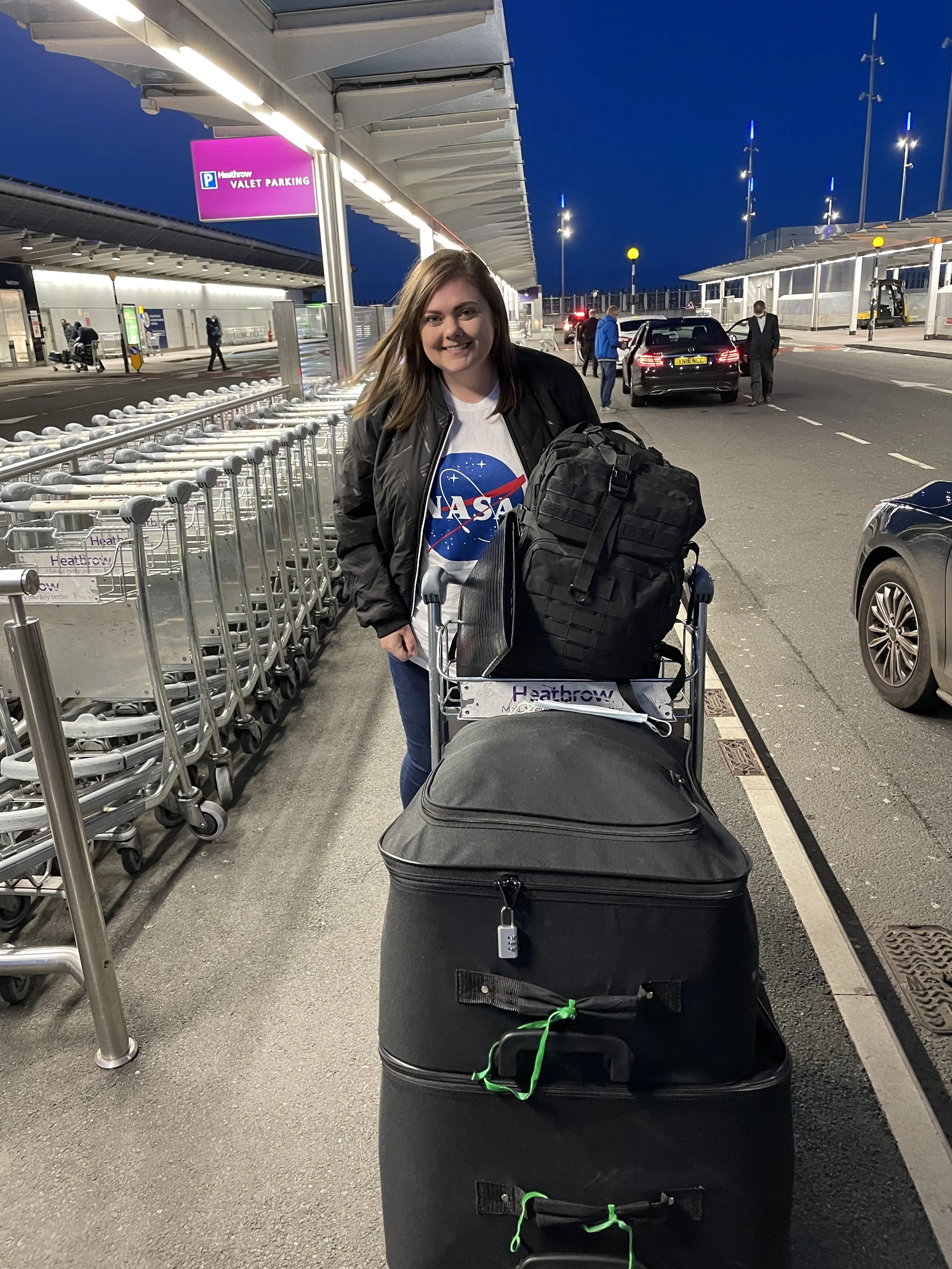
In May 2021, I boarded a plane to Ivory Coast alone.
I remember my social media at the time. The questions. The comments.
“You’re flying to Ivory Coast… alone?”
“You don’t really know him.”
“Online relationships aren’t real.”
“What if he just wants a visa?”
“That never works.”
Some people said it gently.
Some didn’t.
But almost everyone had an opinion.
And what struck me most wasn’t concern (although some were).
It was assumption.
The Stereotypes
Long distance relationships are often reduced to something fragile or foolish.
Add intercultural or interracial into the mix, and the stereotypes multiply:
• It must be about documents.
• Someone must want opportunity.
• One person must be naive.
• It’s probably fantasy.
• It won’t survive real life.
It’s interesting how quickly love gets reframed as strategy when it crosses borders.
But here’s what people don’t see.
What Long Distance Actually Requires
Long distance removes convenience.
There are no spontaneous hugs to smooth over arguments.
No driving over to “fix” tension.
No physical closeness to hide behind.
What’s left is:
• Communication
• Consistency
• Emotional maturity
• Intentional choice
You cannot rely on proximity.
You cannot mask problems with chemistry.
You either learn to talk properly — or it unravels.
Research on long distance relationships has actually shown something surprising:
when communication is consistent and intentional, long distance couples often report levels of emotional intimacy comparable to — and sometimes stronger than — geographically close couples.
Not because it’s easier.
Because it demands depth.
The Visa Narrative
The visa assumption is the loudest one.
It’s the easiest stereotype to throw at an intercultural couple.
But here’s what people overlook:
Building a long distance relationship across countries involves years of uncertainty, paperwork, financial cost, time apart, emotional strain and sacrifice.
No one who has actually lived it would describe it as an “easy route” to anything.
It’s slow.
It’s expensive.
It’s emotionally exposing.
You don’t endure that casually.
And love does not become less real because immigration law exists.
The Projection No One Talks About
Over time, I realised something important.
A lot of doubt doesn’t come from experience.
It comes from fear.
Fear of being hurt.
Fear of being deceived.
Fear of looking foolish.
Fear of stepping outside what feels familiar or “safe.”
It’s easier to assume someone is naive than to accept they might simply be brave.
People project what they would be afraid to do.
The Reality
From September 2020 to July 2022, we built our relationship across countries.
Daily calls.
Saturday date nights.
Honest conversations about insecurity.
Real discussions about future plans.
There were tears.
There was uncertainty.
There were moments where it would have been easier to walk away.
But we didn’t.
By the time we were finally in the same country, we already knew how to:
• Handle conflict
• Sit in discomfort
• Communicate without avoidance
• Choose each other intentionally
Long distance didn’t weaken us.
It trained us.
Not All Long Distance Works
Let’s be honest.
Not all long distance relationships survive.
But neither do all relationships in the same city.
Proximity does not equal depth.
Marriage does not equal loyalty.
Shared postcode does not equal commitment.
Character does.
Consistency does.
Intention does.
What I Learned
When I look back at that airport photo now, I don’t see recklessness.
I see courage.
I see a woman willing to take a risk on something that felt real.
And I see how quickly society is ready to question women who make bold choices — especially when those choices cross borders.
Long distance didn’t just shape our marriage.
It shaped me.
It taught me that other people’s fear is not prophecy.
It’s projection.
And when something is built on truth, time reveals it.